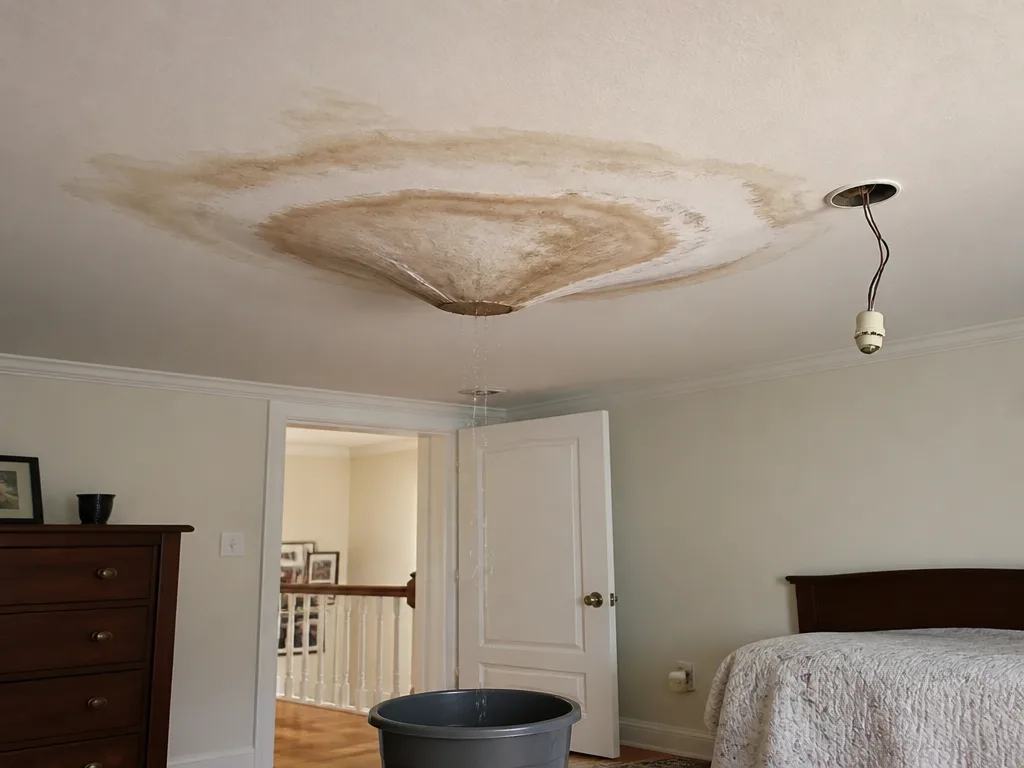
That brown ring on the ceiling is telling you something
Most ceiling water damage starts small. A faint yellow ring shows up near a light fixture, or a corner of the paint bubbles a little. It is easy to look at it, decide it is an old problem, and move on. Sometimes that is fine. Often it is the first visible sign of water that has been moving through insulation and framing for days or weeks.
Water Damage Repair works with homeowners across the United States, and the calls we get usually follow the same pattern. Someone noticed a stain, painted over it, and then the stain came back bigger. Ceiling materials are built to look solid, but drywall soaks up water like a sponge and loses its strength quickly. Knowing what you can safely deal with yourself, and where the line is, saves a lot of trouble.
Small, dry, and contained: what you can usually handle
A homeowner can reasonably take care of a very small stain when all of these are true. The stain is smaller than a dinner plate. The ceiling is flat and firm when you press on it gently. The water source is clearly stopped, such as a one-time splash from a bathtub overflow that was cleaned up that same day. There is no active dripping and no smell.
If those conditions fit, here is a reasonable order of steps:
- Turn off power to any light fixture or ceiling fan in the area at the breaker before you touch anything near it.
- Put a bucket or tarp under any drip and empty it often so the weight does not stress the ceiling.
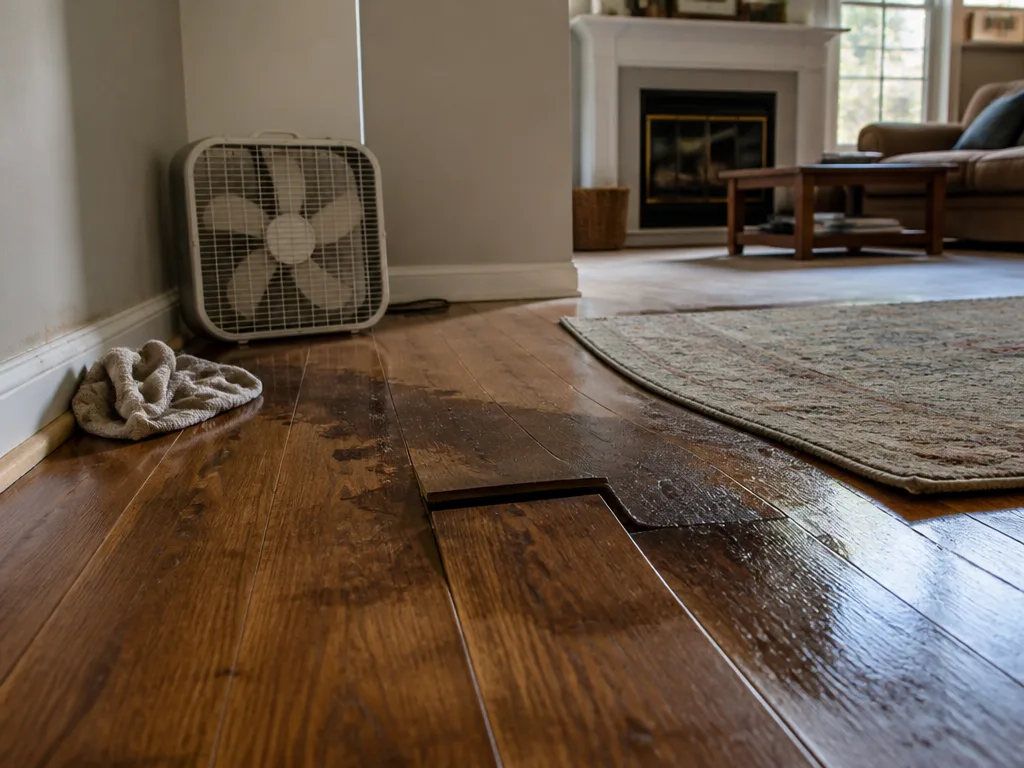
- Run a fan and open a window to move air across the spot. Moving air helps more than heat.
- Check again after 24 to 48 hours. If the stain stays the same size and feels dry, the surface may be fine.
Do not expect a stain to look perfect after you dry it. Water leaves tide lines and minerals behind. Priming before painting is usually what stops the stain from bleeding back through.
Signs the ceiling is no longer a DIY job
This is where most people wait too long. Here are the signs that mean the situation has moved past a weekend project.
The ceiling is sagging or bowing
Press lightly on the area. If the surface gives, bulges, or looks like it is pulling away from the joists, the drywall has absorbed enough water to lose its structure. A sagging ceiling can let go without warning, and it usually happens when someone is standing underneath it. Stay out from under that section and call us before you try to push it back up or cut into it.
Water keeps returning
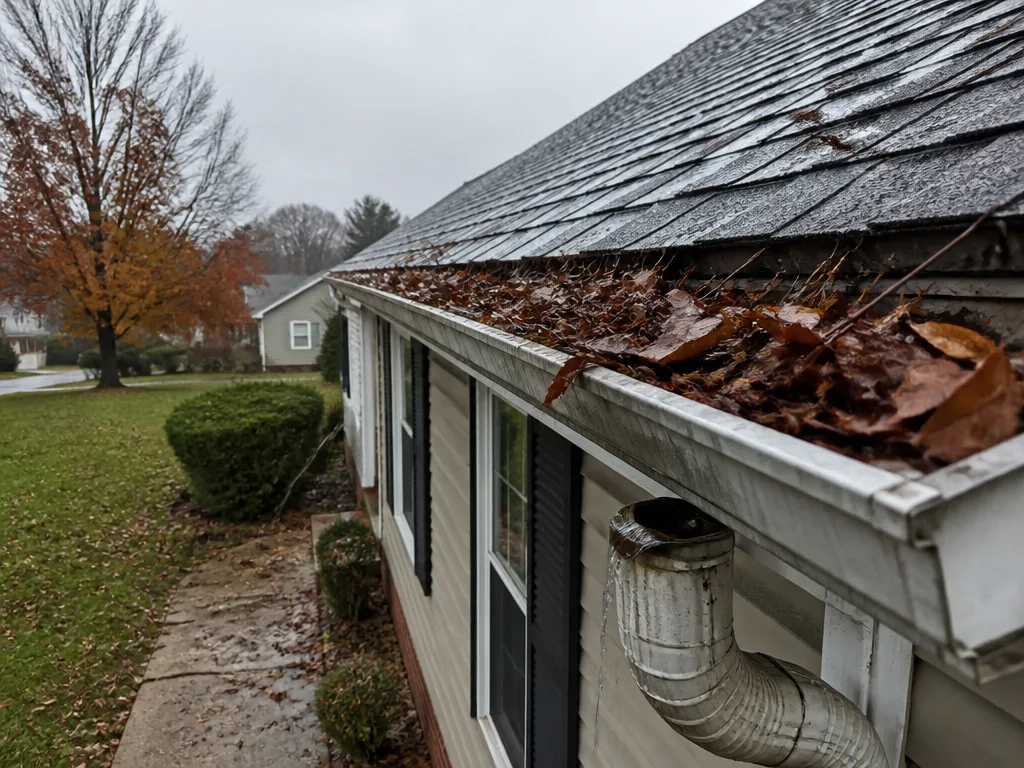
If you dried the spot and it stains again after a rain, after a shower, or after the heat comes on, the water source is still active. Surface drying does not fix a leak. The water could be coming from a roof valley, a bathroom floor above, a window flashing, or a plumbing line hidden in the wall. Finding that source is the first job, and it is often the one that requires opening up the ceiling.
The stain is large or spreading
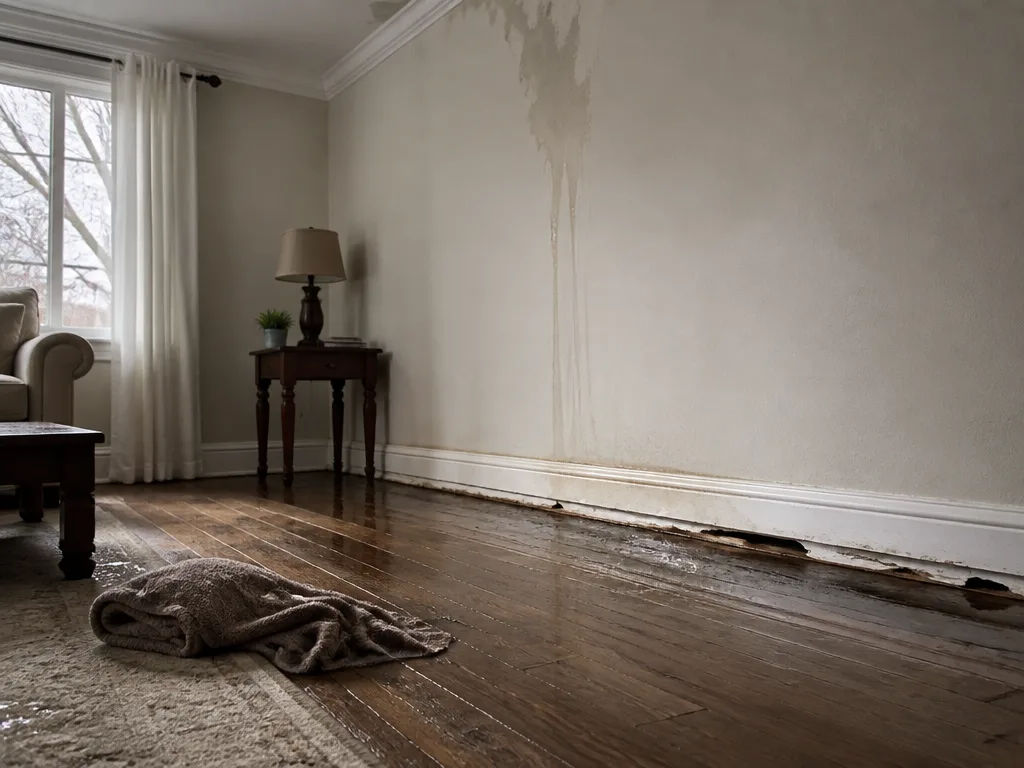
A stain that covers more than a few square feet, or one that is growing week over week, has usually soaked into the insulation above. Wet insulation holds moisture against the framing and keeps the ceiling damp from the inside. What looks like a small spot on the surface can be a much bigger wet area behind it.
There is a smell, or you see discoloration beyond the stain
A musty smell, or dark spotting spreading out from the stain, means moisture has been sitting long enough for mold to start. Do not try to scrub it off with household cleaners and call it finished. Mold growth inside a ceiling cavity needs to be found, the wet material removed, and the area dried properly. Surface cleaning hides the problem and lets it come back.
Electrical and structural risks to take seriously
Water and wiring do not mix, and ceilings are where a lot of household wiring runs. If you see water near a light fixture, a ceiling fan, a recessed can light, or a junction box, leave that area alone. Shut off the circuit at the breaker, and if you cannot be sure which breaker controls the area, have a licensed electrician check it before anyone works overhead.
Structural concerns come next. Ceiling joists carry the weight of the drywall, insulation, and anything stored above. Water-soaked insulation can add a lot of weight to a joist that was never designed for it. If you hear creaking, see cracks running across the ceiling, or notice the room feels like it is dipping, get people out of the room and make that call right away.
What a professional visit usually involves
When our crew arrives, the first step is figuring out where the water came from, not just covering the stain. That often means checking the room above, looking at the roof or plumbing access, and using moisture readings to see how far the wetness reaches. Then the wet materials come out, the cavity gets dried with air movers and dehumidifiers, and the surfaces are checked again before anything is rebuilt.
Our restoration specialists will explain what they find as they go. You should understand which materials can be dried in place and which need to come out. You should also know what the next steps are for rebuilding and finishing, because the drying is only part of getting the ceiling back to normal.
Making the call
If you are unsure which category your ceiling falls into, that uncertainty is itself a reason to pick up the phone. Describe what you are seeing: where the stain is, how big it is, whether it changes after rain or running water, whether there is a smell, and whether the drywall feels soft. Those details help us plan the visit.
Water Damage Repair offers same-week scheduling for most ceiling water jobs, and our local crews are in every region we serve, so help is close to you wherever you are across the country. Give us a call, tell us what you see, and we will work out the next step with you.