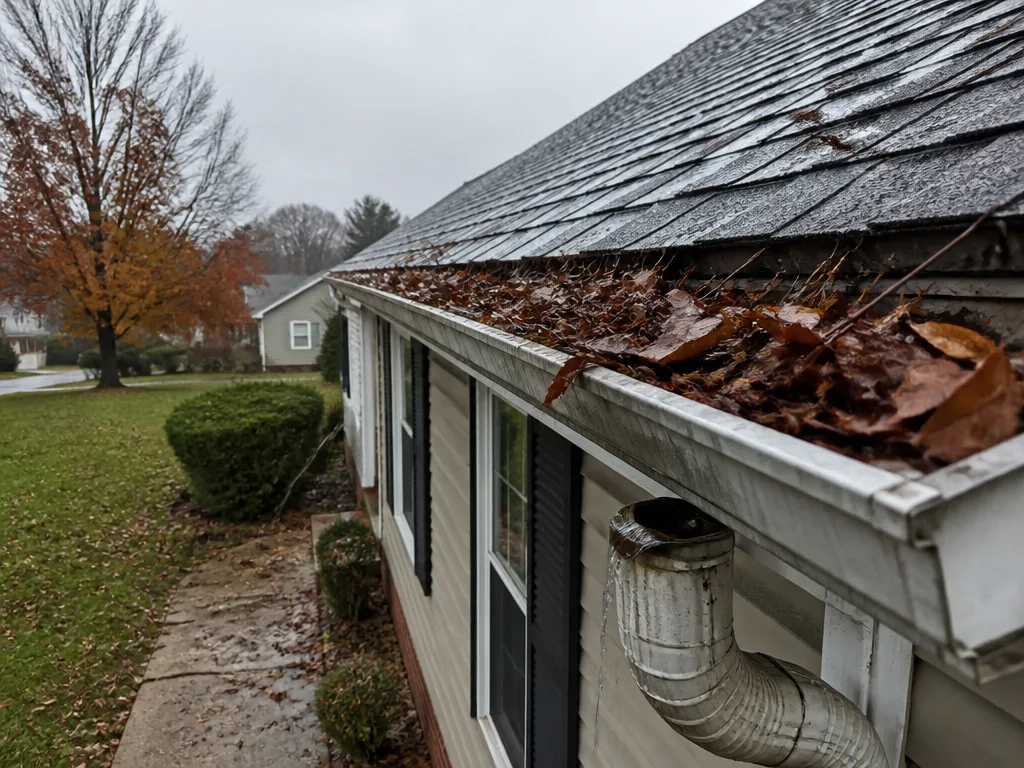
Water in a house does not wait for a convenient moment. A supply line lets go behind the toilet at 2 a.m., a storm pushes rain under a door, or a washer hose slips off its fitting while everyone is asleep. Some water problems can wait a day or two. Others get worse by the hour. Water Damage Repair works with homeowners across the country, and the calls that come in fastest usually follow the same patterns. Here is how to tell the difference.
The signs that water damage is an emergency
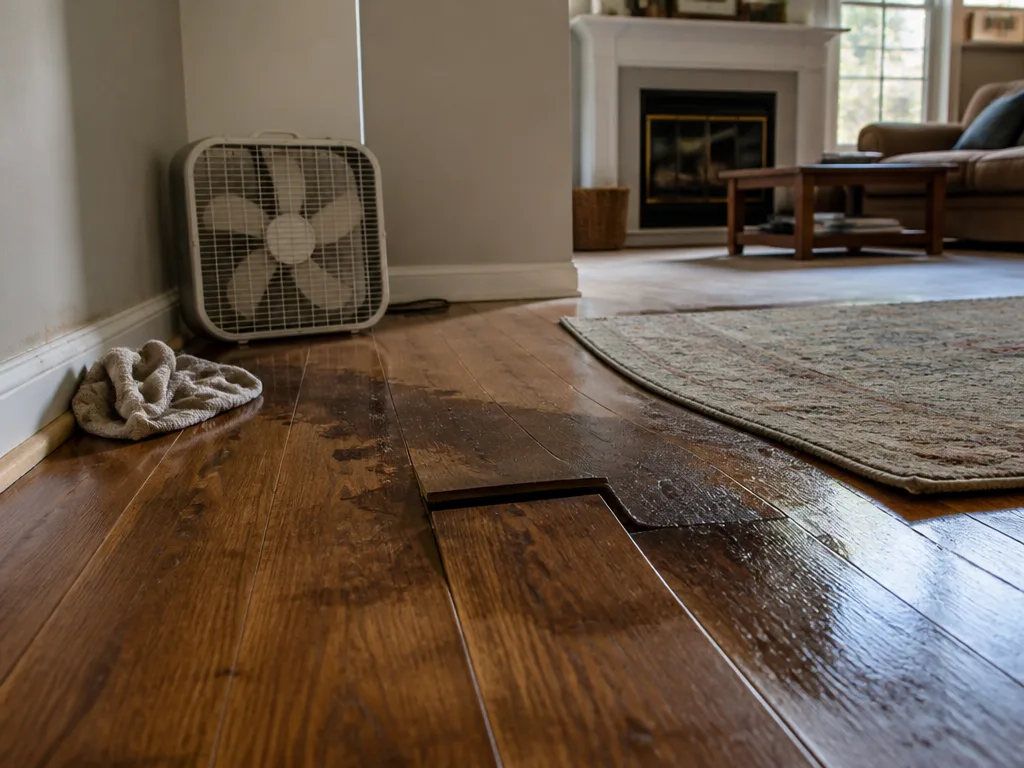
Start with the water itself. If it is moving, spreading, or still coming in, you have an active problem and every minute adds to the cleanup. Water that has pooled across hardwood, tile, or subfloor can soak through in hours. Once it reaches the materials under the floor, drying takes much longer and the repair list grows.
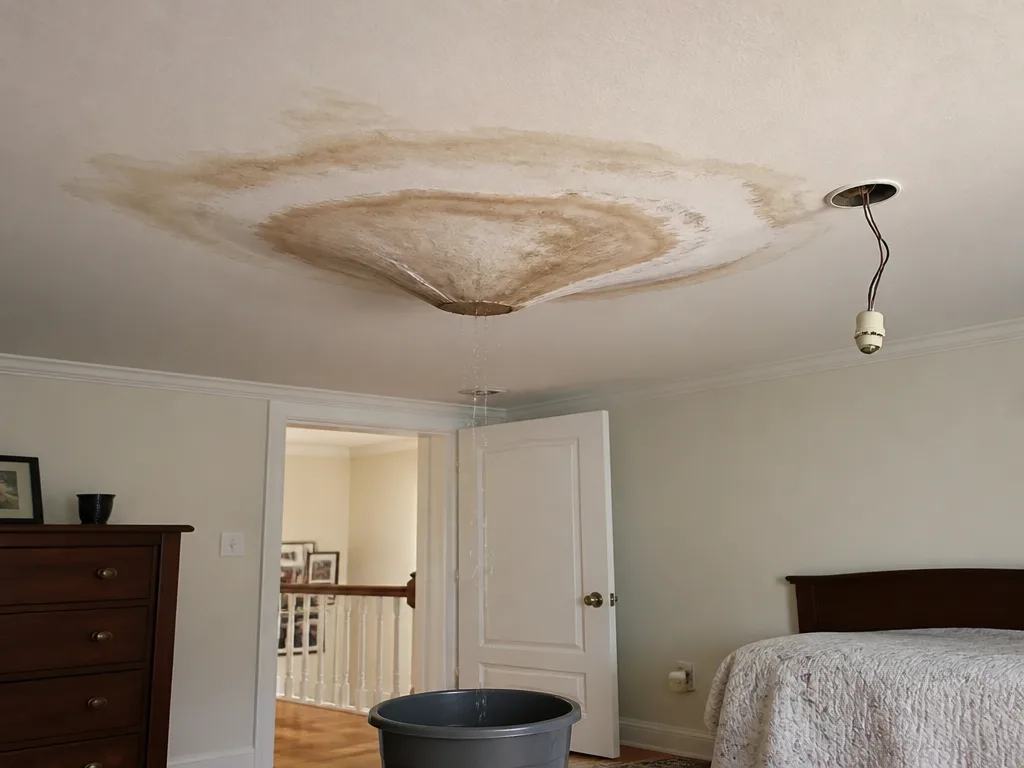
Watch for changes in the structure too. A ceiling stain that suddenly bulges or sags means water is sitting in the drywall or insulation above it. Do not poke at it to see how wet it is. Doors that stick, cabinets that pull away from the wall, or a floor that gives under your weight are all signs that moisture has reached framing. That is a job for a crew, not a weekend project.
Smell is the sign people tend to ignore. A musty, sour odor usually means moisture has been trapped for a while and mold may already be starting. If the smell shows up within a day or two of a leak, the water probably never fully left the building.
Finally, pay attention to electricity and water appearing in the same place. If water is near outlets, a ceiling light, or a breaker panel, turn off power to that area at the main if you can do it safely, and stay out of the water while you do it. Call us the moment you see water near anything electrical.
A quick checklist to run through
- Water is still flowing or the source has not been identified
- Standing water covers more than a small corner of a room
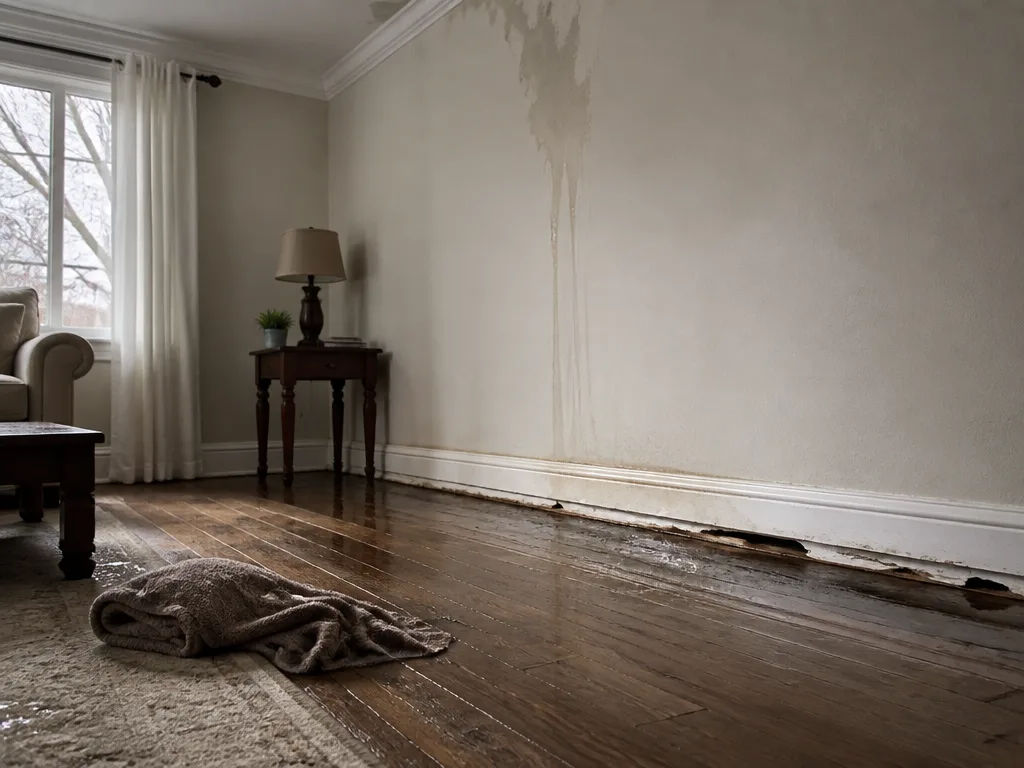
- Ceilings or walls are bulging, dripping, or discolored
- Floors feel soft, spongy, or have started to cup or buckle
- A musty or sour smell is coming from a room that was wet
- Water has reached a basement, crawl space, or lower level
If you checked two or more of these, treat it as urgent. You do not need to wait until the situation looks dramatic before you call.
What to do in the first hour
The first hour matters more than most people expect. Your goal is to stop the water if you can, then keep it from spreading and protect what you can reach. Shut off the water at the fixture, the local shutoff for the affected appliance, or the main valve if you cannot find the source. Turning off the main is the surest way to stop new water from coming in, though it also means you will need to turn it back on carefully later.
Next, get people and pets clear of the wet area. Wet floors and hidden ceiling damage can give way without warning. Move furniture out of the water if you can lift it safely, and set items on bricks, foil, or a plastic bin so the legs are not sitting in the wet. Pull up area rugs and lay them flat somewhere they can dry. Rugs left in standing water often start to stain the floor underneath.
Take photos and video before you move anything. Get wide shots of each room, close-ups of damaged walls and floors, and a clear view of the source if you can see it. Note the time you noticed the problem. Good documentation helps with the restoration work and with any insurance paperwork you file later, and you will be glad you have it.
Open windows and run fans if the weather allows, and switch on the air conditioning in dry weather. Air moving across wet surfaces helps slow mold growth. Avoid running a home HVAC system in a way that spreads moisture into other rooms, and keep doors to unaffected areas closed.
What to avoid while you wait
A few well-meaning steps can make water damage much worse. Do not use a regular household vacuum on standing water. It can short out and create a shock hazard. Do not run ceiling fans or lamps in a room with water on the floor. Do not pull down wet drywall or pull up carpet to check the subfloor unless a crew has told you to do it, because that often opens the structure to more moisture and mold.
Skip the household fixes too. Fans pointed at a wet wall without proper airflow can push moisture deeper. Bleach or cleaning sprays on wet surfaces can hide what is happening underneath and irritate anyone with breathing sensitivities. Stick with moving items out of the way, keeping air moving, and documenting the damage.
If anyone in the household has asthma, allergies, or a weakened immune system, keep them out of the affected rooms until the area has been assessed. Mold can start within a day or two in damp conditions, and the spores can travel further than you would expect.
Getting help on the phone
When you call, have a few details ready so the conversation goes faster. Tell us what kind of water you are seeing, whether it is still coming in, which floor and room it is in, and whether it has reached electrical fixtures or appliances. Let us know the approximate square footage if you know it. Mention whether you have already shut off the water or power, because that changes the plan for the first visit.
Ask what to expect from the restoration specialists when they arrive. A good crew will explain how they plan to remove standing water, what equipment they will set up, how they will check moisture in the walls and floors, and what the next few days look like. If something is unclear, ask again. You should understand what is happening in your home.
Keep your phone charged and your calls going out. Water damage cleanup depends on fast decisions, and a quick call usually keeps a small problem from becoming a large one. Our local crews are ready to take your call from anywhere in the country, and they will work with you to figure out how urgent your situation really is.
Whether the water came from a storm, a broken line, or an overflowing tub, the steps stay the same. Stop the source, protect the space, document what you see, and call. If you are not sure whether your situation is urgent, call anyway. Water Damage Repair would much rather hear from you early than get a call after the floor has already failed.