Waiting to see if it dries on its own
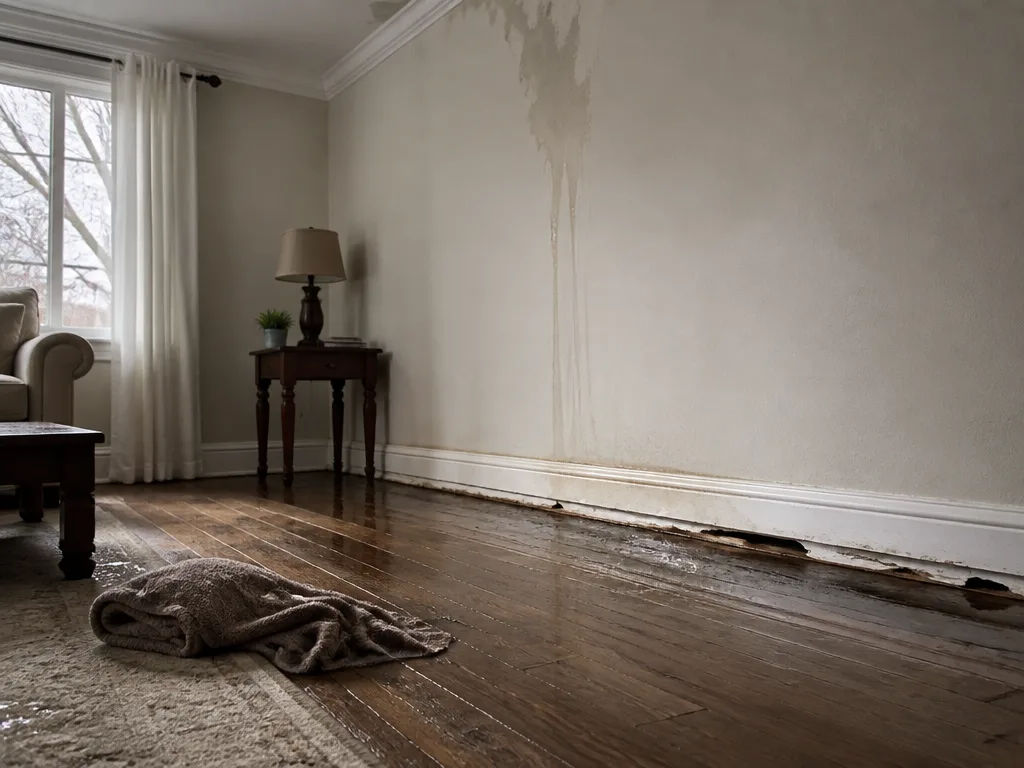
A wet carpet doesn't dry itself, at least not in any way that saves the floor underneath. Water wicks into pad, subfloor, and drywall, and it keeps moving long after the surface looks fine. We still get calls where someone waited three or four days hoping the damp patch would go away. By then the smell has set in and the baseboards have started to lift.
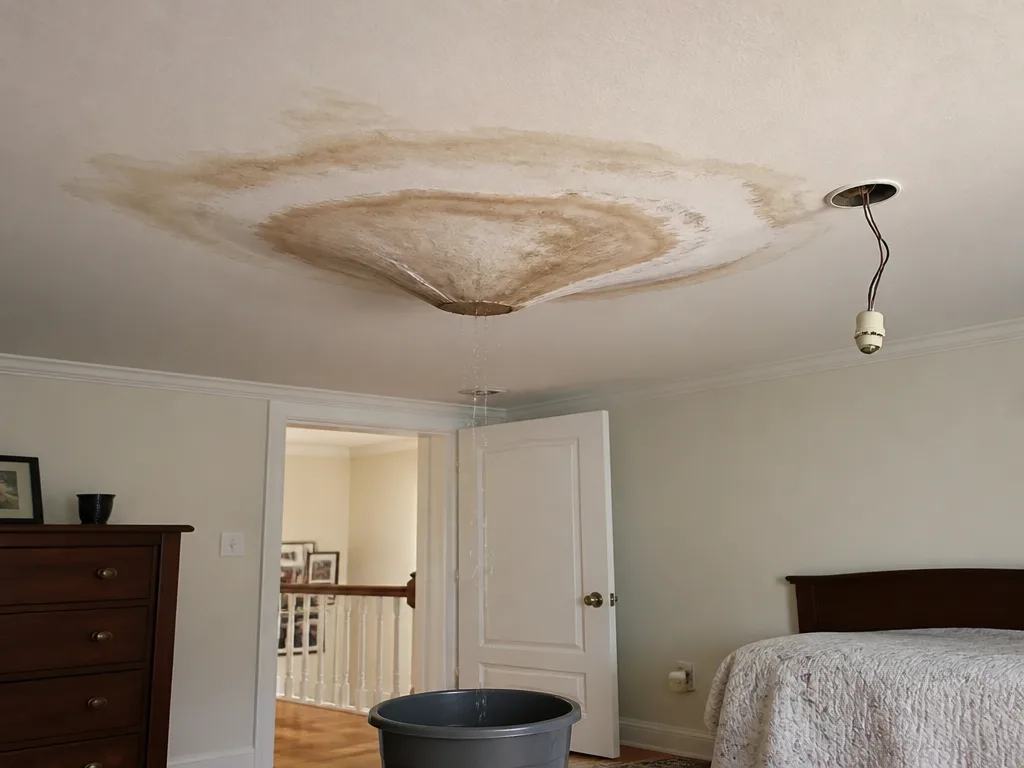
If water is actively coming in or pooling, treat it as a same-day problem. Call a restoration specialist as soon as you've stopped the source and moved people and pets to a dry room. Waiting costs more than most people expect, and the cost climbs quickly.
Restoration crews work across the country in every region we serve, and the timeline is the same everywhere: the sooner moisture is measured and removed, the less material ends up in the dumpster.
Turning on the heater or fan without a plan
Running a box fan pointed at a soaked wall feels productive. It mostly pushes humid air around the room and drives moisture into areas that were dry. Heat has a similar problem. Cranking the thermostat up can warm the air enough to make mold start growing behind drywall faster than it would have otherwise.
Ventilation helps when it's aimed correctly and paired with dehumidification. Open windows on a dry day, keep the air moving across wet surfaces, and close off rooms that aren't affected so the moisture stays where you can measure it. If you're not sure what to run or where, ask the crew on the phone before you start buying equipment.
- Don't run ceiling fans on a wet room unless you've confirmed the drywall above is sound.
- Keep the thermostat at a normal setting rather than cranking heat.
- Shut off power to any area standing water has reached.
Tearing out everything before someone measures
This one hurts people more than almost anything else. A homeowner rips out a section of wall or a strip of flooring to "see what's going on," and the rest of the room gets worse because the air now has a new path into the structure. Sometimes the material that looked ruined was actually salvageable with proper drying.
Before demolition, photograph everything. Take wide shots of each room, close-ups of damaged surfaces, and a few of the water line on walls. Those photos help with the cleanup plan and with any insurance paperwork you'll need later. Then let a restoration specialist take moisture readings so the decision about what to remove is based on numbers, not guesses.
Skipping the paperwork and the photos
Insurance claims for water losses go sideways when the homeowner can't show what was damaged, when it happened, or how fast they responded. Keep receipts for emergency supplies like towels, buckets, and extension cords. Write down the time you discovered the water and what you did in the first hour. Save any damaged items you plan to claim before you toss them, unless safety requires removal.
Ask your restoration company for a written scope of work that lists what they're removing, what they're drying, and what equipment is staying on site. A clear scope protects you if your insurer questions a line item later.
Assuming surface-dry means fully dry
A floor can feel dry under your hand while the subfloor underneath is still holding water. Drywall can look fine on the front and stay soggy in the cavity. This is the mistake that leads to warped floors six months later and that faint musty smell nobody can trace.
Signs moisture is still hiding
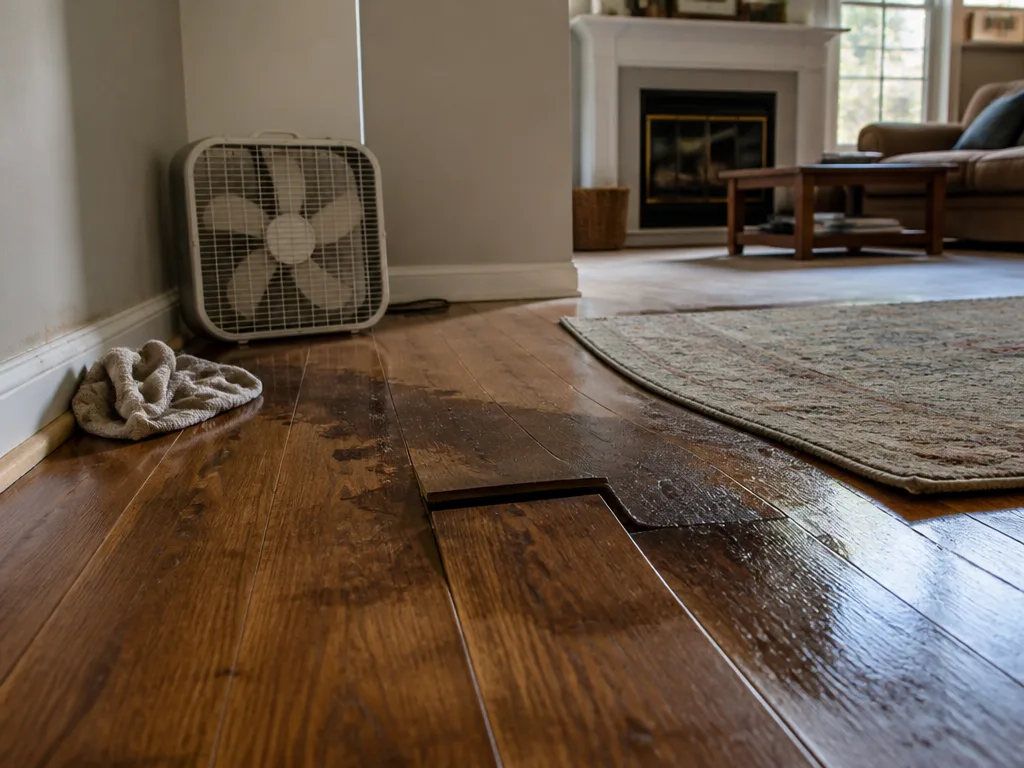
Watch for a few warning signs over the following weeks: cupping or buckling in hardwood, paint bubbling near a previously wet wall, a sour smell that returns when the house warms up, or a patch of floor that feels cooler than the rest. Any of these means the drying job isn't finished. Call back rather than assuming the problem resolved on its own.
Choosing a company based only on the first call
Plenty of people pick the first number they find and never ask a single question. That's fine if the crew shows up prepared and explains the plan clearly. It's a problem when the people arriving treat the job like a quick vacuum-and-fan visit and leave you guessing about what happens next.
When you call, ask how the team measures moisture, what equipment they expect to set up, and how they'll document the drying progress. Ask whether they'll work with your insurance adjuster if you have a claim. Good answers are specific. Vague answers are a signal to keep looking.
Getting started with Water Damage Repair
If water is in your home right now, start with the basics: stop the source if you can do it safely, shut off power to wet areas, and move valuables out of the way. Then call Water Damage Repair at your local number. Our restoration specialists work in your area with local crews wherever you are, from coast to coast, and we'll talk through the next steps over the phone so you know what to expect before anyone walks in.