Fall shows up differently depending on where you live. In some parts of the country it means the first frost and the last sunny afternoons. In others it means a run of heavy rain that overwhelms gutters that worked fine all summer. Water Damage Repair sees the same pattern wherever our crews are working: the problems that cause the biggest headaches usually start small, and they start in the weeks when most people stop paying attention to their house.
Start Outside: Gutters, Downspouts, and Grading
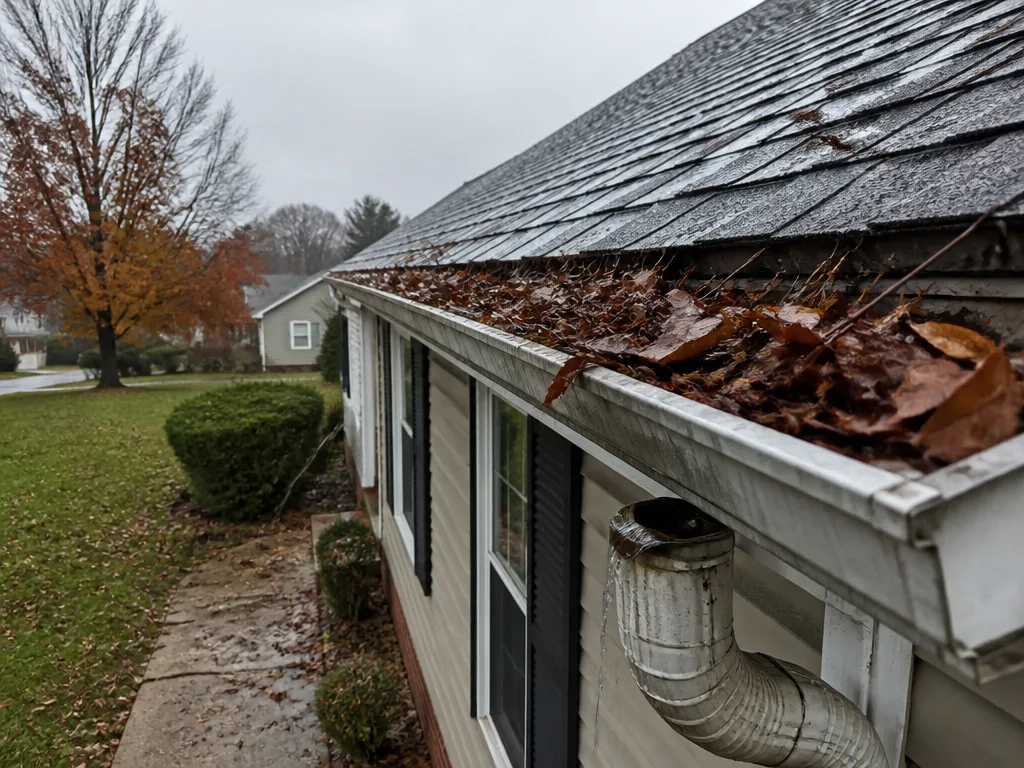
Leaves are the first thing to deal with. A gutter packed with wet leaves holds water against the fascia board and sends it sideways instead of away from the foundation. Pull the debris by hand, then run a hose through each downspout and watch where the water comes out. If it pools near the house or backs up at a joint, you have found your starting point.
Check the grade next. Soil that has settled around the foundation over the summer can slope back toward the house. Walk the perimeter after a rain and look for water that stands instead of drains. A few inches of fill soil in the right spot does more than most people expect.
Downspout extensions matter more than people think. Aim for at least several feet of separation from the foundation, and make sure the extension is sloped away rather than lying flat in the grass. In colder regions, a downspout that drains onto a walkway can turn into a sheet of ice, so point it toward a lawn or a gravel bed instead.
Check the Roof and Attic Before the First Hard Freeze
You do not need a ladder to catch the early signs. Use binoculars from the yard and look for lifted shingles, cracked flashing around chimneys and vents, and dark patches on the siding below the roofline. Missing granules collecting in the gutters are another clue that the roof is wearing out.
Go into the attic on a dry day with a flashlight. Look at the underside of the roof deck and the tops of the ceiling joists. Staining that is dark, rings in a circle, or looks like it has been wet more than once means water got through at some point, even if the ceiling below looks fine. Note the location and take a few photos so you can compare them next season.
- Shine a light along the roof boards for dark spots or soft wood
- Check bathroom exhaust fans to confirm they vent outside, not into the attic
- Look for daylight around vent pipes and chimney bricks
- Confirm the attic insulation is not matted or wet to the touch
Attic moisture is one of the most overlooked causes of fall damage. Warm, humid air from the living space rises and condenses on cold surfaces during cool nights. Good ventilation at the ridge and soffits keeps that moisture moving out, which protects both the framing and the insulation.
A Quick Note on Ice Dams
If you live where temperatures drop below freezing for stretches of the season, ice dams are worth watching for. They form when heat escaping through the roof melts snow, and the water refreezes at the eaves. Trapped water then backs up under the shingles. If you see icicles forming in a thick band along the edge of the roof, call a restoration specialist rather than waiting for the ceiling to show a stain.
Inside the House: Where Water Hides in Fall
Cooler weather changes how water behaves indoors. Heating systems run more, windows stay shut, and humidity can build up without anyone noticing. Start with the places water tends to gather quietly: under sinks, behind the toilet, along the base of the water heater, and around the washing machine hoses. Pull out the cabinet floor under the kitchen sink and look for soft spots, dark edges, or a musty smell.
Basements and crawl spaces deserve a slow walk. Look at the bottom of each wall for efflorescence, which is the white, powdery residue left when water moves through concrete. Check the sump pump by pouring a bucket of water into the pit and confirming the float rises and the pump kicks on. If you have a battery backup, test that too.
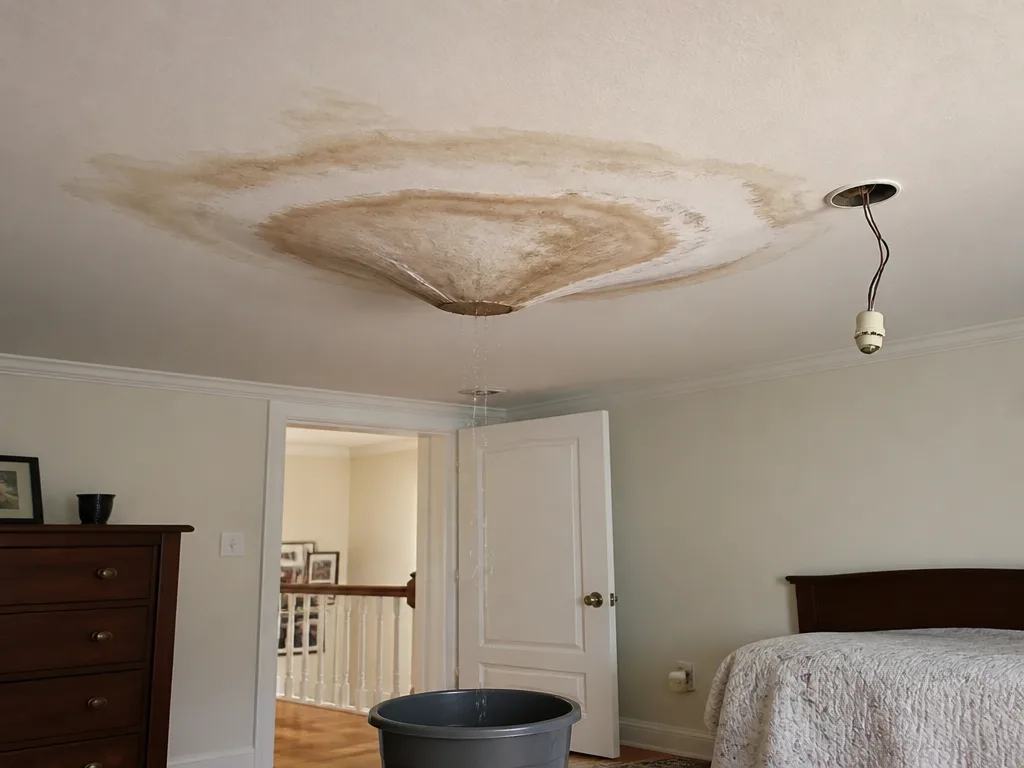
Look up as well. A stain on a ceiling near an upstairs bathroom or a window can mean a slow leak that has been running since summer. Press gently on the drywall. If it feels soft or crumbles, the area needs attention before it spreads into the framing.
Build a Plan for the Weeks Ahead
A checklist only helps if you act on what it shows you. Pick the three most urgent items and handle them this week. Put the rest on a calendar with a date for each, so the work does not slide into winter. Keep a simple log with dates, photos, and notes. It makes next year's inspection faster and gives anyone who helps you a clear picture of what changed.
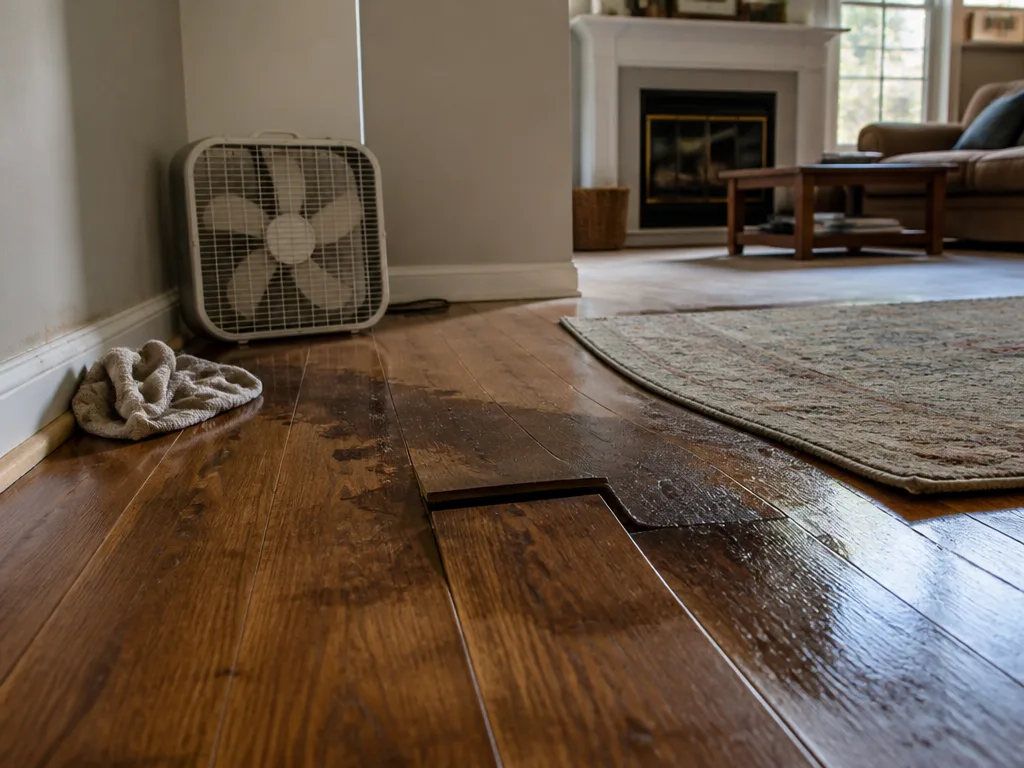
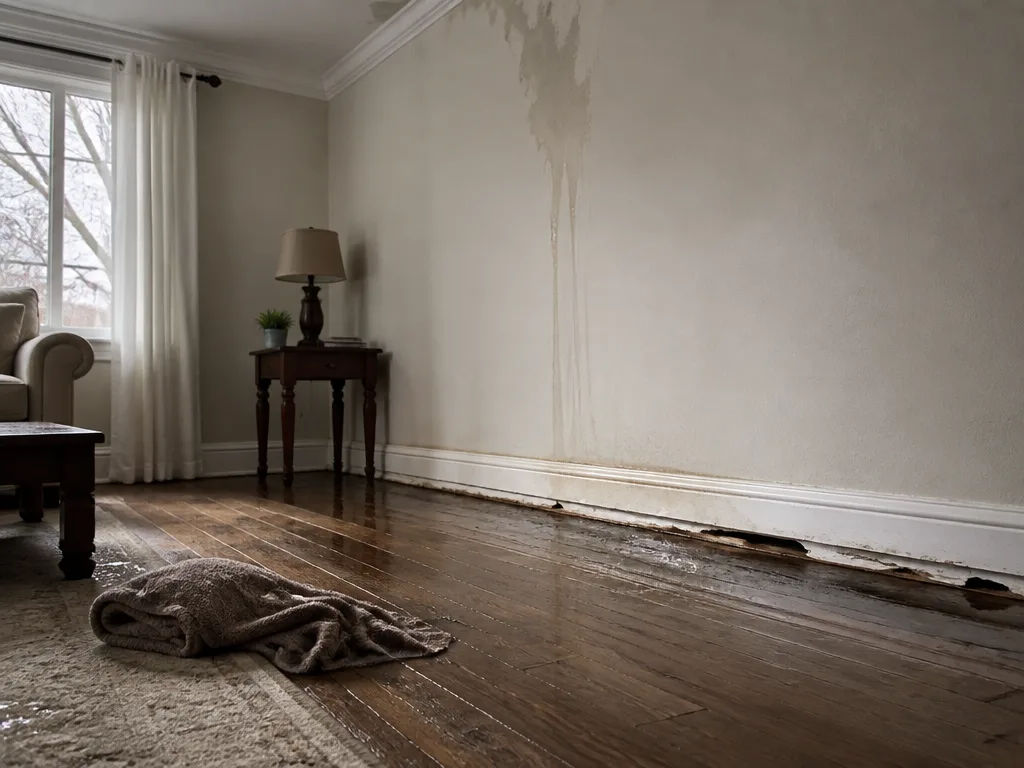
When you find water staining that has spread, soft flooring, or a smell that will not go away, do not wait for the next storm to decide for you. Water left in building materials for even a few days can start to cause problems that are harder and more expensive to fix. Water Damage Repair restoration specialists work with homeowners across the United States, and our local crews can typically be scheduled in the same week for most calls. Give us a call, describe what you are seeing, and we will help you decide what needs to happen first.