Water damage rarely announces itself with a bang. It starts as a faint stain on a ceiling, a soft spot in the subfloor, or a musty smell near the laundry room. By the time most homeowners notice, the water has already spread into drywall, insulation, and flooring. The good news is that a little routine attention catches most of these problems while they are still cheap to fix. At Water Damage Repair, our crews see the same preventable causes over and over, whether the house is in a humid coastal town or a dry mountain suburb. Here is the checklist we would hand to a neighbor.
Start with the parts of the house that get wet first
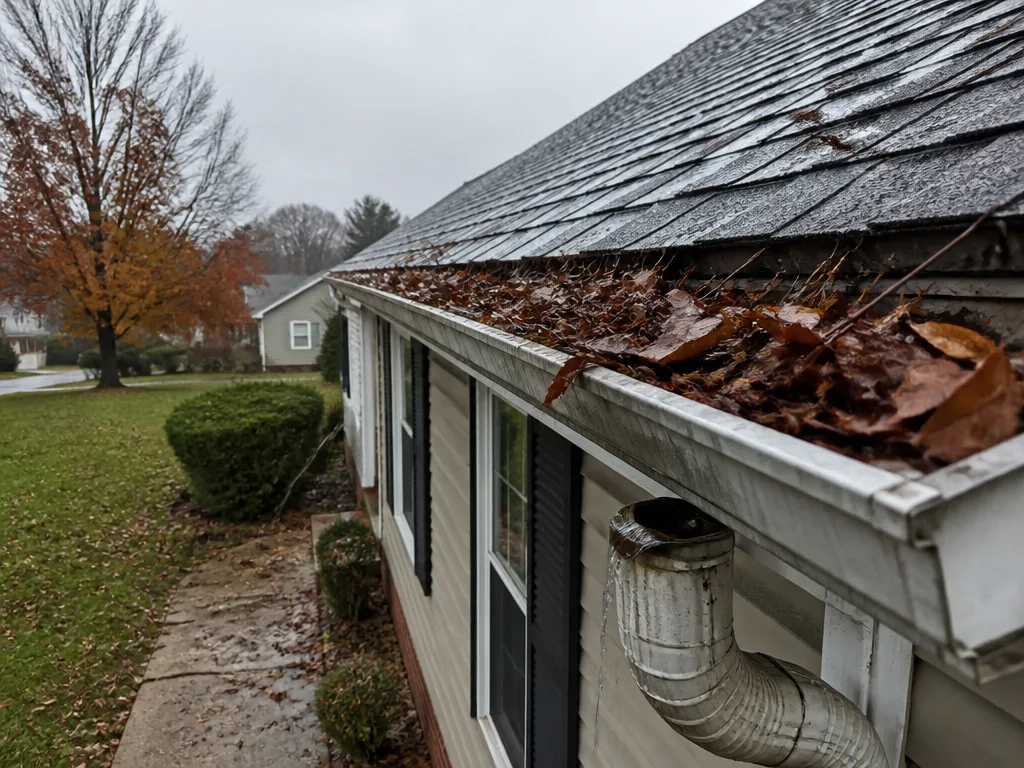
Water finds the weakest seam, so begin there. Walk the perimeter of your home after a heavy rain and look at where water collects. Ground that slopes toward the foundation is one of the most common culprits we see. Gutters that overflow dump water right beside the walls, and over time that moisture works its way into the basement or crawlspace.
Check your downspouts too. They should carry water at least several feet away from the foundation. A cheap extension or a splash block does more than most people expect. Clear leaves out of gutters at least twice a year, and more often if you have trees overhanging the roof.
Look at caulking around windows, doors, and any spot where siding meets trim. Cracked or peeling caulk lets rain slip behind the exterior. Press a finger along the joint. If it feels hard, brittle, or pulls away, it is time to re-seal.
Inspect the appliances and fixtures that hold water
Most indoor water damage comes from something that holds water under pressure. Washing machine hoses are a good example. Rubber hoses stiffen and crack over the years, and a hose that bursts while you are at work can flood a room in an hour. Replace standard rubber hoses with braided stainless steel versions, and check them for bulges or wet spots every few months.
Water heaters deserve a look too. Place a pan with a drain line beneath the unit if it sits over a finished floor or a ceiling below. Once a year, check the base for rust, drips, or mineral crust. A heater that is more than about ten years old is worth having inspected, because tanks tend to fail quietly before they fail loudly.
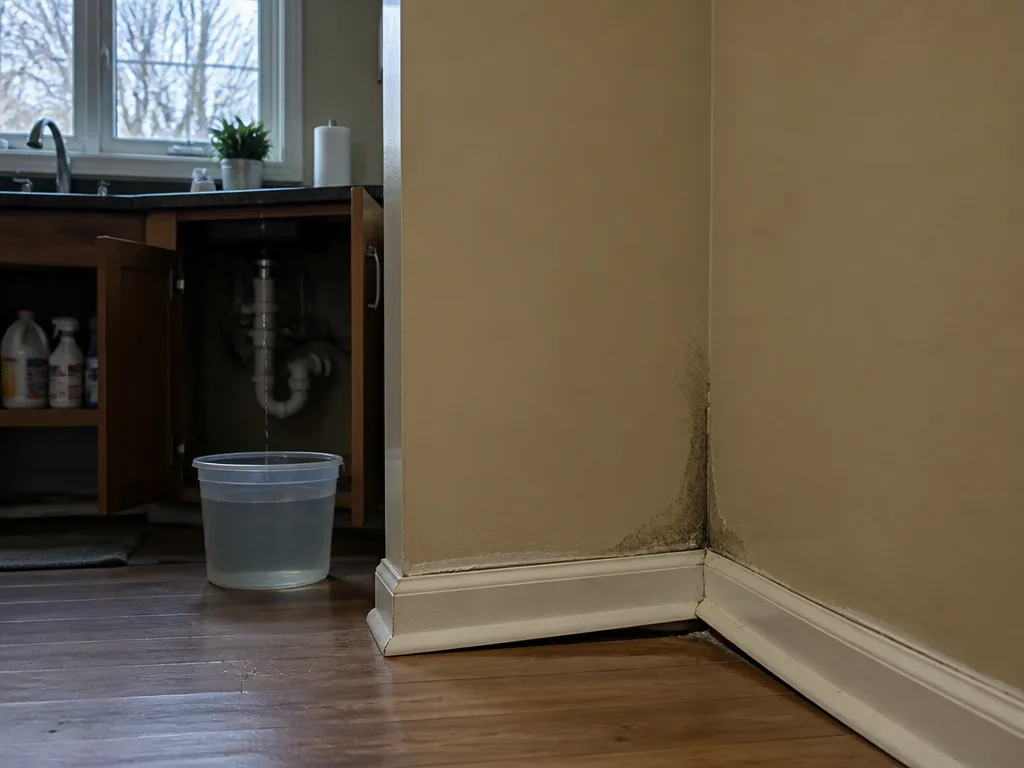
Under every sink, run a quick check. Slow drips leave a ring on the cabinet floor and rot the wood beneath. Dry the area, run the faucet, and watch for moisture over a day or two.
Build a simple seasonal routine
Routines beat memory every time. Pick two points in the year, perhaps early spring and early fall, and run through a short list:
- Clear gutters and test that downspouts flow away from the house.
- Check the attic for staining on roof boards or insulation that feels damp.
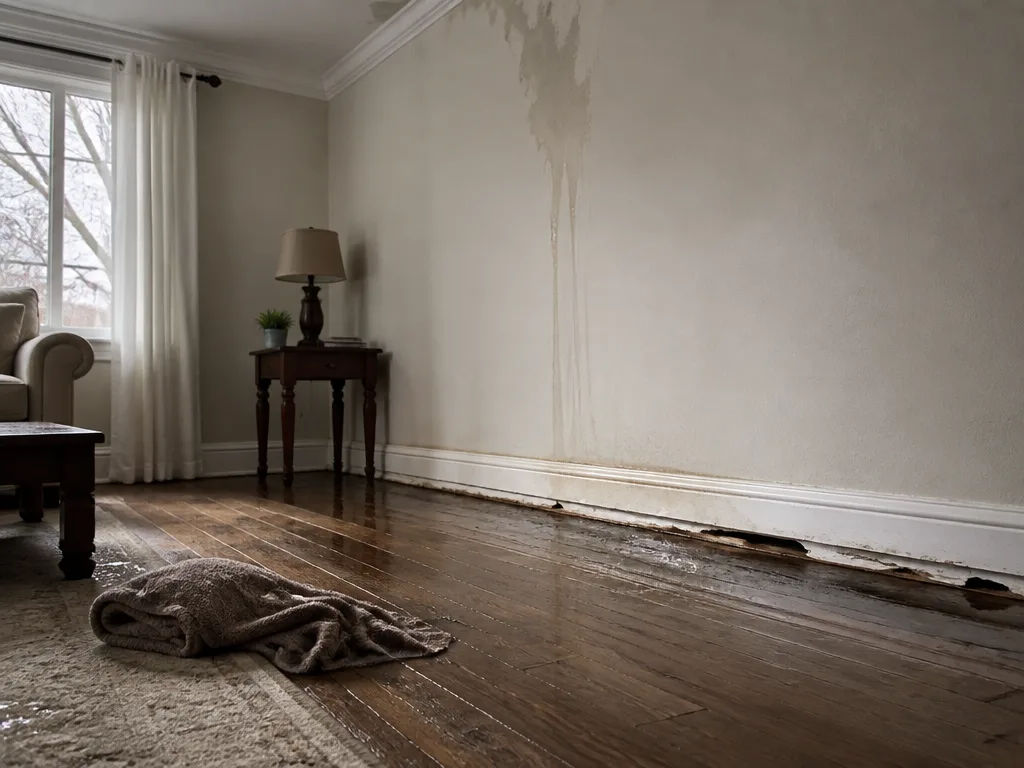
- Look at ceilings and wall corners on upper floors for faint rings.
- Test sump pumps by pouring a bucket of water into the pit and confirming the pump starts and drains.
- Replace hoses, filters, and seals that show age.
- Walk the crawlspace or basement with a flashlight and look for new moisture or musty odor.
Write the dates on the calendar. A homeowner who does this list twice a year will catch most leaks before they soak anything important.
Watch for the early signs most people ignore
Smell and sound
A damp, earthy smell in a closet or behind furniture usually means moisture is already present, even if nothing looks wet. Listen too. A pump cycling more often than usual, or water running in a wall when no fixture is open, points to a problem worth investigating.
Paint and surface changes
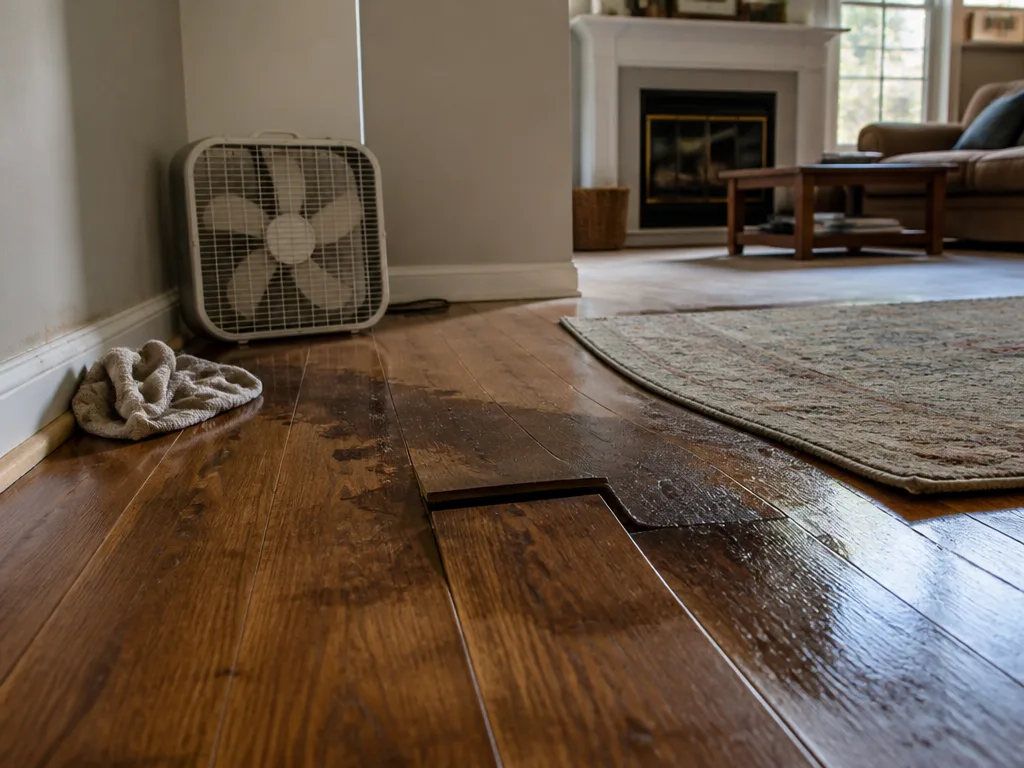
Bubbling paint, peeling wallpaper, and warped baseboards are all signs of moisture behind the surface. Flooring that cups or lifts at the seams has often been wet from below for weeks. Press gently on suspicious drywall. If it feels soft or crumbles, stop and dig into the cause.
Humidity levels
Indoor humidity above roughly 60 percent encourages condensation and surface moisture, especially in bathrooms, basements, and laundry areas. A simple hygrometer costs little and tells you whether a dehumidifier or better ventilation is needed. Run exhaust fans during showers and for a while afterward.
When to call a professional
Some situations are bigger than a weekend fix. If you find water inside a wall, mold on framing, a soft subfloor, or any leak that keeps returning after repairs, the moisture is probably traveling farther than you can see. That is when a restoration specialist should look at it. Our team at Water Damage Repair works with homeowners across the country, and local crews can usually schedule a visit within the same week when the situation calls for it. Call us directly at the number on our site to talk through what you are seeing, and we will help you decide what needs attention first.
Prevention is mostly boring work. Clean gutters, sound hoses, a dry crawlspace, and a calendar reminder go a long way. Do the checklist once and you will probably notice something you had been ignoring for years.